When 360iResearch released its 2026 smart socket and plug market intelligence report earlier this year, it didn’t just present a set of data—it painted a vivid picture of how a once humble electrical accessory is evolving into a core pillar of modern smart living. As a industry observer who’s tracked the rise of smart home technologies for years, I couldn’t help but reflect on how far smart sockets have come—and where they’re headed next.
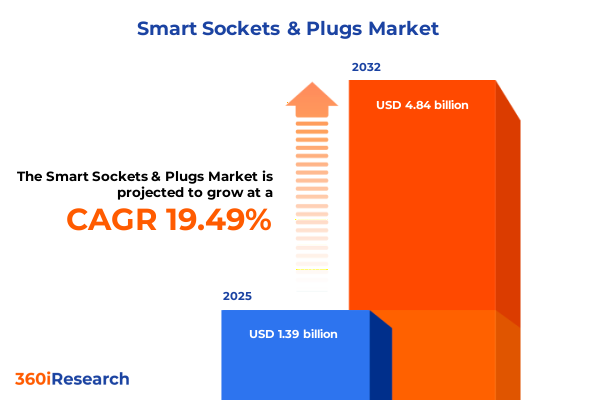
Gone are the days when smart sockets were merely “fancy remote controls” for turning lights on and off. Today, they are at the intersection of energy efficiency, building automation, and eco-friendly living—a transformation driven by both technological innovation and shifting consumer demands. According to the 360iResearch report, the global smart socket sector is no longer just growing; it’s undergoing a fundamental shift, moving from single-function devices to integrated solutions that power the next generation of smart homes and commercial spaces.
 Modern smart sockets in 2026 integrate multiple connectivity protocols (Wi-Fi, Bluetooth, Zigbee) and voice control, becoming intuitive power management hubs for smart homes.
The most striking change, in my view, is how technology has turned these small devices into multi-functional power management hubs. Modern smart sockets now come equipped with a suite of connectivity options—Wi-Fi, Bluetooth, and Zigbee—ensuring they seamlessly sync with almost any smart home ecosystem. Add in machine learning analytics and voice control compatibility with Alexa, Google Assistant, and Siri, and you have a product that’s not just convenient, but intuitive. It’s no longer about “controlling” power; it’s about “managing” it—whether that’s monitoring energy usage to cut bills or scheduling devices to align with daily routines.
What’s more, the industry is finally aligning with global sustainability goals, and smart sockets are leading the charge. The report highlights a growing trend of strategic partnerships between smart socket manufacturers and renewable energy integrators, creating products that work in harmony with solar panels and battery storage systems. This isn’t just a marketing gimmick; it’s a response to a consumer base that’s increasingly prioritizing eco-friendly choices amid rising environmental awareness. With governments around the world pushing for carbon neutrality, smart sockets have become a simple yet effective way for households and businesses to reduce their carbon footprint—and the market is responding in kind.
Of course, no industry transformation comes without challenges, and the smart socket sector is no exception. The 2025 U.S. tariff policies have sent ripples through the supply chain, forcing manufacturers to rethink their global production strategies. Many are now shifting production to regions with favorable trade conditions, prioritizing localization to build resilience and avoid disruptions. It’s a tough adjustment, but one that could ultimately lead to a more stable and diverse industry—good news for both businesses and consumers.
Regionally, the market is also becoming more nuanced, which I find particularly interesting. In developed markets like North America and Europe, strict safety and energy efficiency standards are driving product innovation, with manufacturers focusing on compliance and premium features. In emerging markets, however, the focus is on accessibility—making smart sockets affordable and adaptable to local electrical infrastructure. This localized approach ensures that the benefits of smart socket technology aren’t limited to wealthy markets, but are accessible to a global audience.
Looking ahead, I believe the smart socket market has even more room to grow. As AI and IoT technologies continue to advance, we’ll likely see more personalized features—think AI-powered energy monitoring that learns your habits, or smart sockets that integrate with health and wellness devices. And with governments rolling out incentives for smart home adoption, such as subsidies for energy-efficient products, the barrier to entry is lowering for consumers worldwide.
The 360iResearch report is more than just a market update; it’s a reminder that even the smallest devices can drive big change. Smart sockets may not be the flashiest smart home products, but they’re quietly becoming the backbone of a more efficient, sustainable, and connected world. As we move further into 2026, I’ll be watching closely to see how this industry continues to evolve—and how it shapes the way we live, work, and use energy.
For more detailed data and insights, refer to 360iResearch’s full report: https://www.360iresearch.com/library/intelligence/smart-sockets-plugs